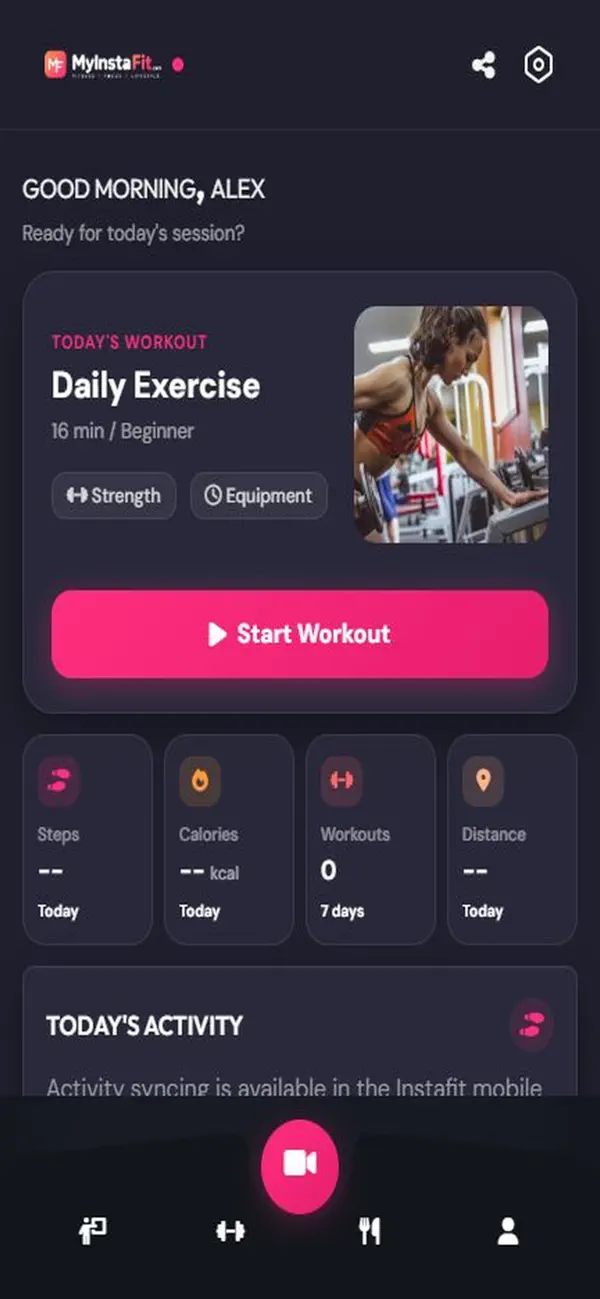
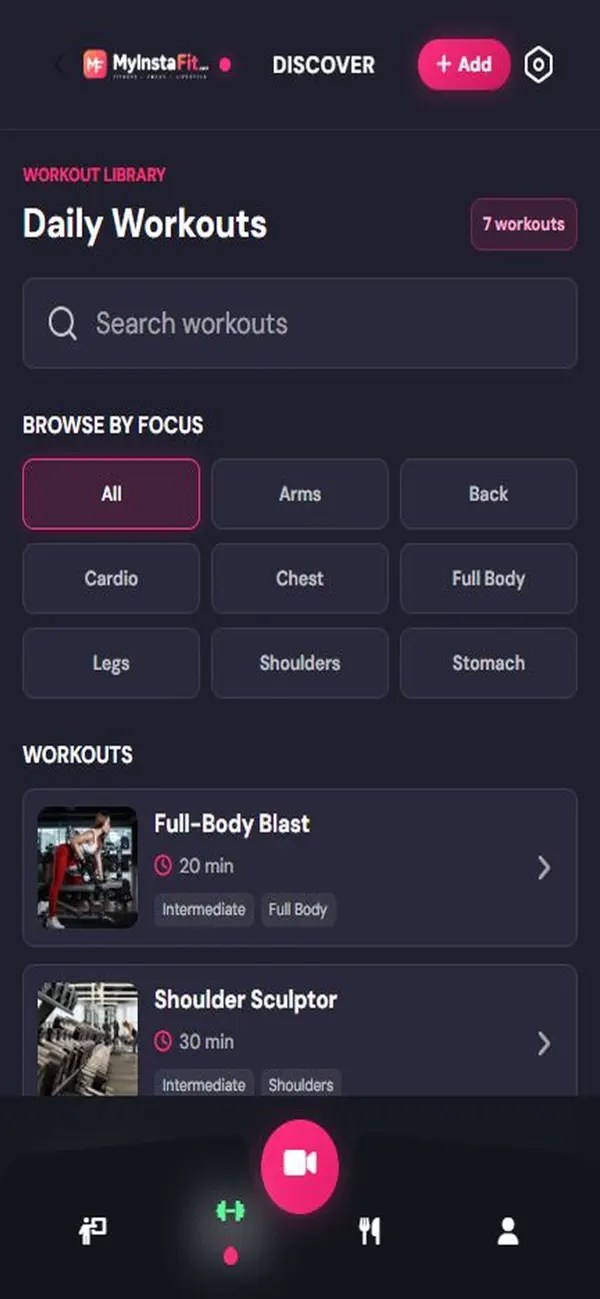
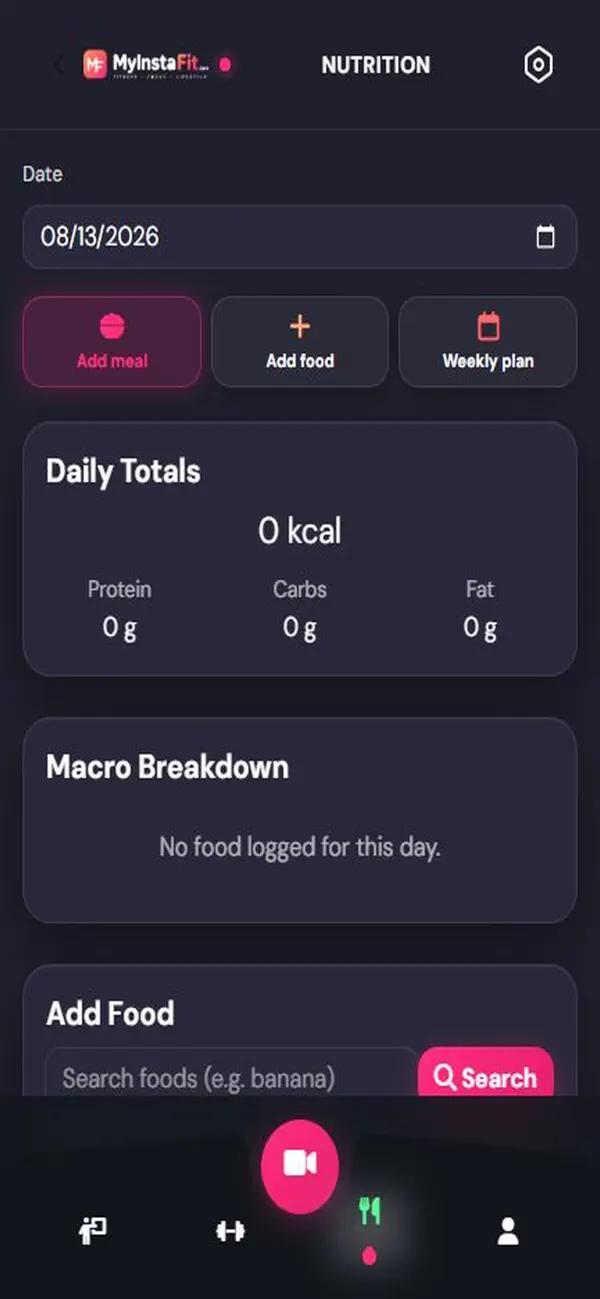
Core journeys and screen plan
An agreed set of screens and connected tasks, from getting started to completing the main action. Navigation, forms, empty states and helpful error messages are planned around the people using the app.
A useful app, built around the way people use it.
A mobile app should make a specific task easier to complete on the move. I develop Android and iOS apps around the journeys your users need, connecting the screens to accounts, data and appropriate device features. The scope includes the less visible details too: permissions, unreliable connections, testing and preparation for release.
Where this fits
The work, made concrete
The final deliverables are agreed around your project. These are the main areas we can work through together.
An agreed set of screens and connected tasks, from getting started to completing the main action. Navigation, forms, empty states and helpful error messages are planned around the people using the app.
The agreed app experience for the target platforms and device sizes. We choose a shared or platform-specific approach around the required features, any existing code and the team responsible for future updates.
Sign-in, account states and connections to the services identified in the brief. The scope records which APIs already exist, what backend work is needed, how access is controlled and what happens when a request fails.
Features such as notifications, camera access, location or offline access when they support an agreed user need. Permission requests, unavailable features and poor connectivity are included in the flow instead of treated as afterthoughts.
Checks across the agreed Android and iOS devices, key account flows and real API responses. Release support can include signed builds, submission preparation and setup notes, with store accounts, listing assets and ongoing maintenance responsibilities agreed in the brief.
From brief to handover
We identify the users, the job they need the app to do and the platforms they use. Designs, an existing website and API documentation help establish the starting point and the first release scope.
We map the screens, account flows, data sources and device features. The implementation approach, required access, testing devices and release responsibilities are agreed before the build expands.
The app takes shape as connected user journeys. Reviews include loading, permissions, validation and connection failures alongside the main screens, using realistic content and account states.
We check the agreed device and platform coverage, prepare the release builds and document the setup. Submission support and any follow-up work are scoped clearly, with approval remaining part of the stores’ review process.
Before we start
The best brief makes the important decisions and dependencies visible early.
Yes. We identify the target platforms, required features and devices at the start. A shared codebase or separate platform work may be appropriate depending on those requirements and any existing code. The proposal explains the approach and what is included for each platform.
An existing backend, content source or customer system can be part of the project. I review its APIs, authentication and data before defining the integration. A website does not always expose everything an app needs, so any additional endpoints or administration work should be included explicitly.
These can be considered when they support a clear user task. The brief needs to describe what each feature should do, what data it uses and what happens when permission is declined or connectivity is poor. Platform differences and device testing are part of deciding the scope.
Release support can include build preparation, signing configuration, submission assistance and responding to review feedback within the agreed scope. We clarify ownership of developer accounts, listing content and any provider fees. Store approval and review timing are separate decisions, so neither is guaranteed.
Share the main user task, target platforms, essential features and any designs or existing APIs. Include account roles, payments or device features if they are required. I use those details to define the build, testing and release work; further features and ongoing maintenance can then be discussed as a separate scope.
Cross-platform or native? Compare React Native, Flutter, Swift and Kotlin on cost, speed, performance and upkeep to choose the right path for your startup app.
Read the articleStartup GuidesA founder’s guide to app development timelines: planning, design, implementation, testing and the decisions that help a focused first version reach launch.
Read the articleStartup GuidesWhat does MVP development cost in 2026? Illustrative budget ranges, the scope and platform choices that move the price, and how to plan a lean first release.
Read the articleStart with a useful conversation
Share who the app is for, the task it should make possible and any designs or systems already in place. We can work through the screens, connections and release scope together.