A bounded first-release scope
An agreed user journey, feature list and set of acceptance criteria. We distinguish the essential workflow from later ideas and record assumptions about users, data and external services.
A first release built around a real user task.
An MVP needs a clear purpose before it needs a long feature list. I help turn a product idea into a defined first release: the people it serves, the task it supports, the data behind it and the smallest useful set of workflows to build and review with users.
Where this fits
The work, made concrete
The final deliverables are agreed around your project. These are the main areas we can work through together.
An agreed user journey, feature list and set of acceptance criteria. We distinguish the essential workflow from later ideas and record assumptions about users, data and external services.
The screens, application logic, data structure and API work included in the scope. Technology is chosen around the product requirements, deployment environment and who will maintain the code.
The authentication, roles and administration your release actually needs. User onboarding, record creation, status changes and other important actions are defined as complete flows rather than isolated screens.
The external services agreed for the release, such as payments, email or an AI API. The brief identifies credentials, provider fees, usage limits, error behaviour and ownership of the connected accounts.
Checks against the agreed user journeys, deployment preparation and a handover covering local setup, configuration and the next development steps. Measurement requirements can be included so you know what feedback the release is meant to collect.
From brief to handover
We describe the user, their current problem and the task the first version must support. This gives the project a basis for scope decisions when new feature ideas appear.
We map the screens, roles, key records and integrations. The proposal sets out what is included, what depends on other services and what belongs in a later release.
The product takes shape as connected workflows. Reviews use realistic scenarios, including validation and failure cases, so functionality is assessed in the context of the user task.
We complete the agreed release checks and handover. Feedback and observed usage can then guide the next scope, with new work prioritised against the original product goal.
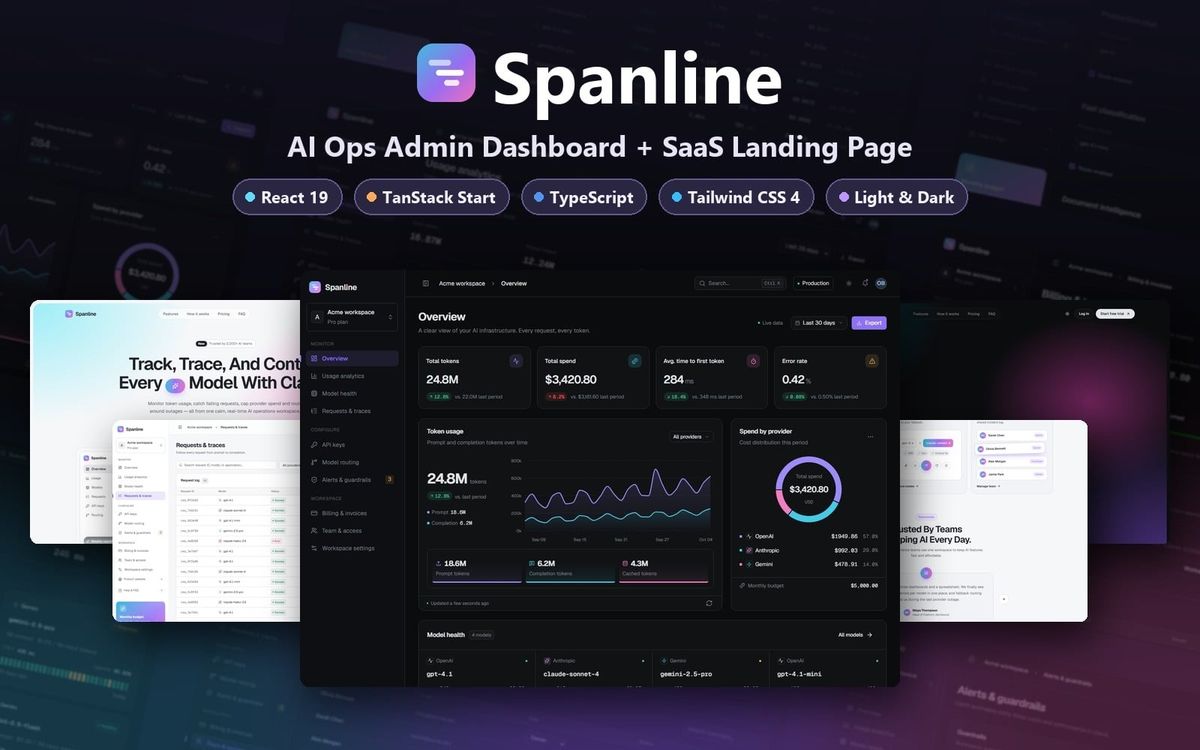 TEMPLATE PREVIEWExplore project
Marketplace template · Templates
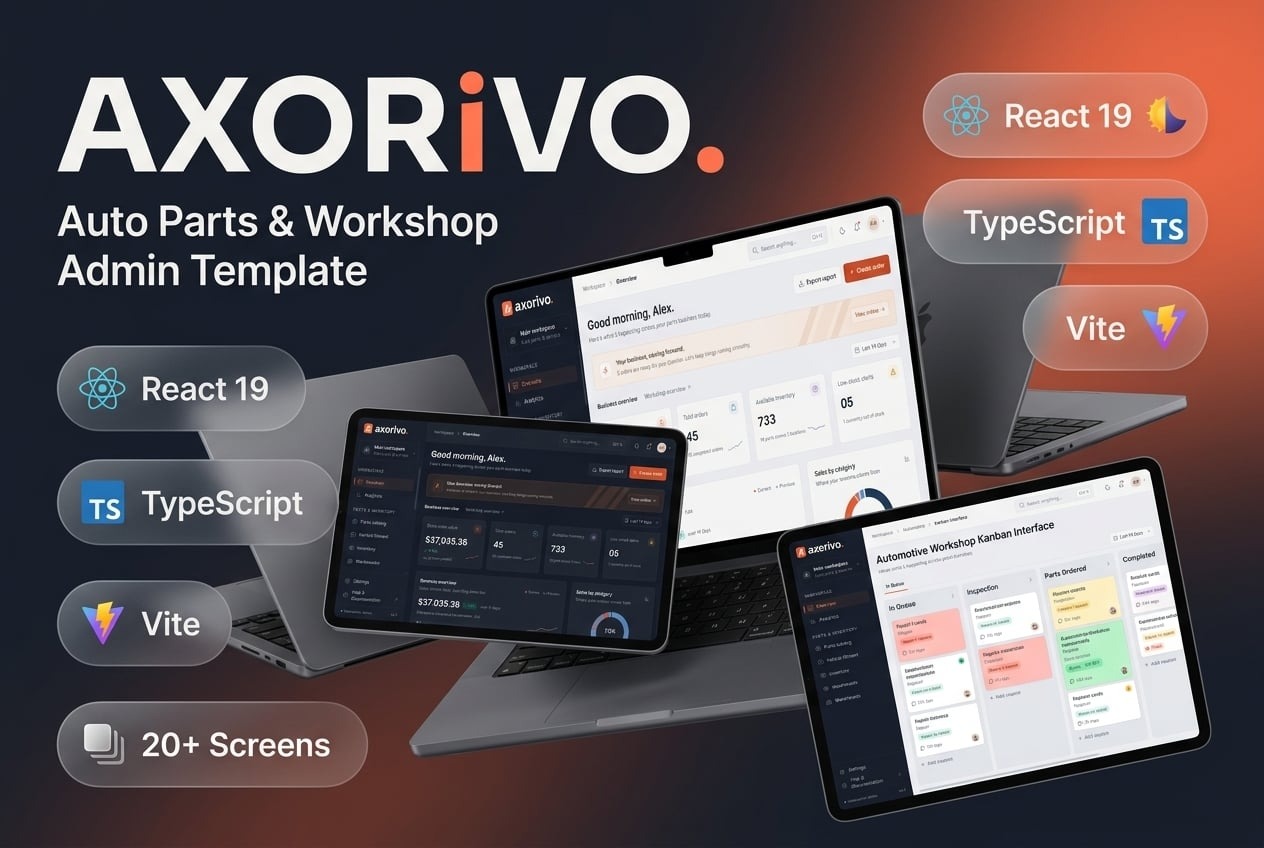 TEMPLATE PREVIEWExplore project
Marketplace template · Templates
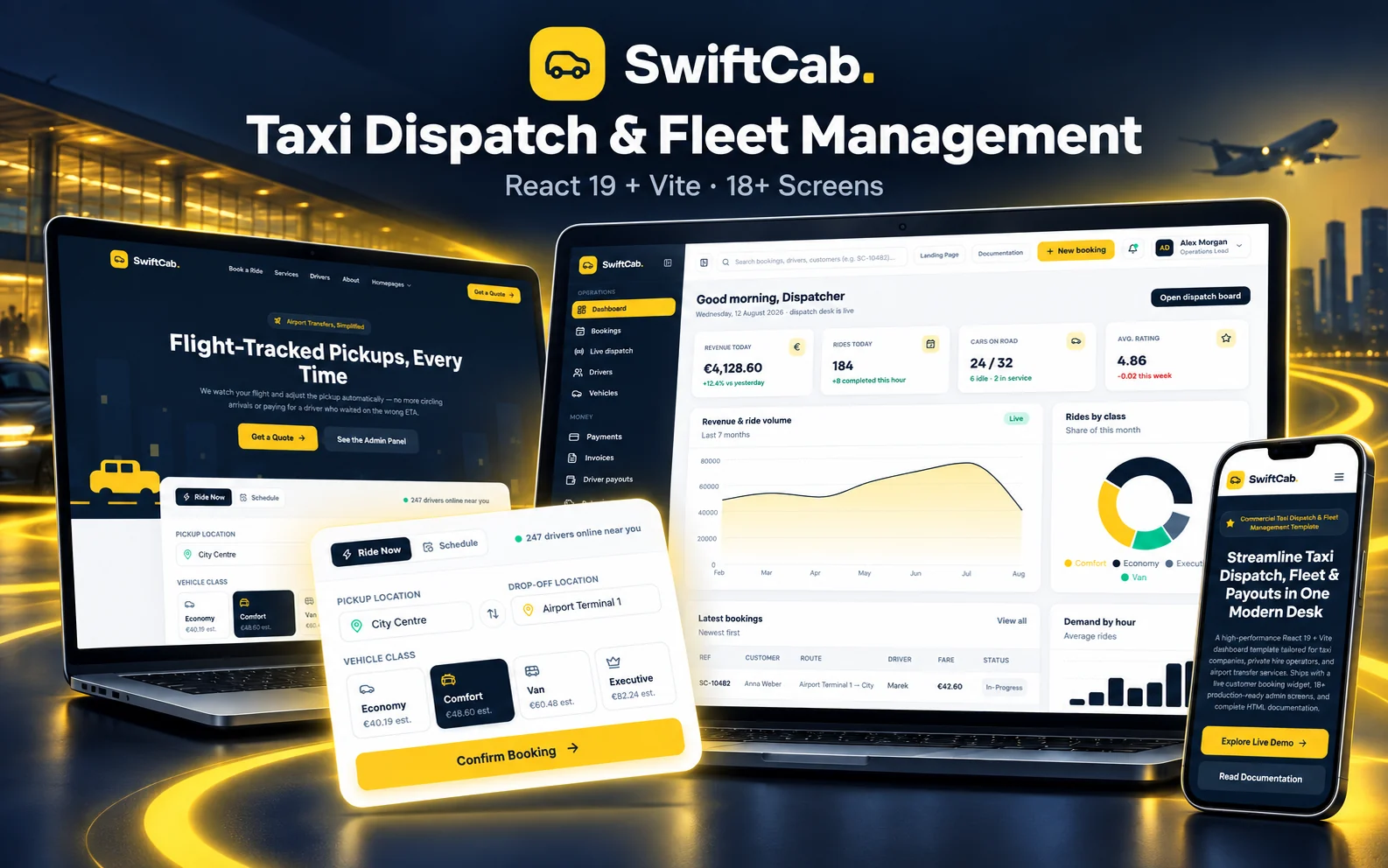 TEMPLATE PREVIEWExplore project
Marketplace template · Templates
Before we start
The best brief makes the important decisions and dependencies visible early.
The first release should support a clearly defined task for a specific user. The exact features depend on the product. We work through the core journey, the information it needs and the operational requirements before deciding which ideas can wait.
Yes. A design or template can provide a useful interface starting point. It still needs to be reviewed against the intended data model, roles, real integrations and workflows. The scope should distinguish reusable presentation from the application behaviour that needs to be built.
It can, when there is a defined user task and a suitable service to support it. We should agree the inputs, expected output, failure handling and human review needs where relevant. Provider usage fees, access and data handling are part of that conversation.
I estimate from the agreed scope, existing assets, technical dependencies and review process. Accounts, payments, complex roles and external integrations can materially change the work involved. A concrete brief is more useful than a fixed price attached to an undefined app idea.
You receive the agreed code and setup documentation. Further features, maintenance and ongoing support can be discussed as a separate scope. That makes it possible to choose the next work using feedback from the first version rather than committing to every idea in advance.
How to build a full-stack web app as a founder: the seven stages from scope to launch, what each involves, and the decisions you make at every step.
Read the articleStartup GuidesHow to choose the right tech stack for your startup's first web app: frontend, backend and database options compared against budget, timeline and hiring.
Read the articleStartup GuidesWhat does MVP development cost in 2026? Illustrative budget ranges, the scope and platform choices that move the price, and how to plan a lean first release.
Read the articleStart with a useful conversation
Describe the user, the problem and the one task your first release should make possible. We can shape the product scope from there.