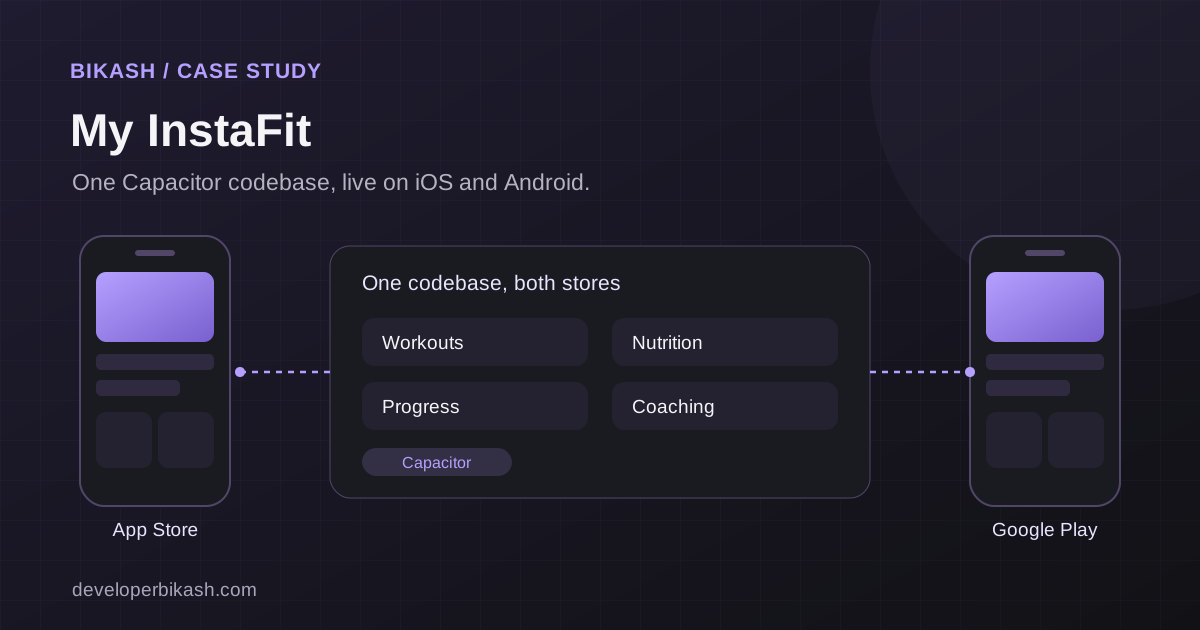
I built My InstaFit, a fitness and coaching app that brings workouts, nutrition, progress and trainer support into one place. It is built with Capacitor, so one codebase ships to both stores, and it is live on Google Play and the App Store.
At a glance
| Item | Detail |
|---|---|
| Product | Fitness, nutrition and coaching app for members and their trainers |
| Platforms | iOS and Android |
| Stack | Capacitor (one codebase for both stores) |
| Status | Live on Google Play (as Instafit) and the App Store (as My Insta Fit) |
The goal: one app for the whole routine
People who train seriously juggle several apps: one for workouts, one for food, one for progress photos, and messages with their trainer. My InstaFit needed to bring all of that into a single app that works the same on iPhone and Android.
It also had to serve two kinds of member: people training on their own, and people following plans from a personal trainer.
What I built
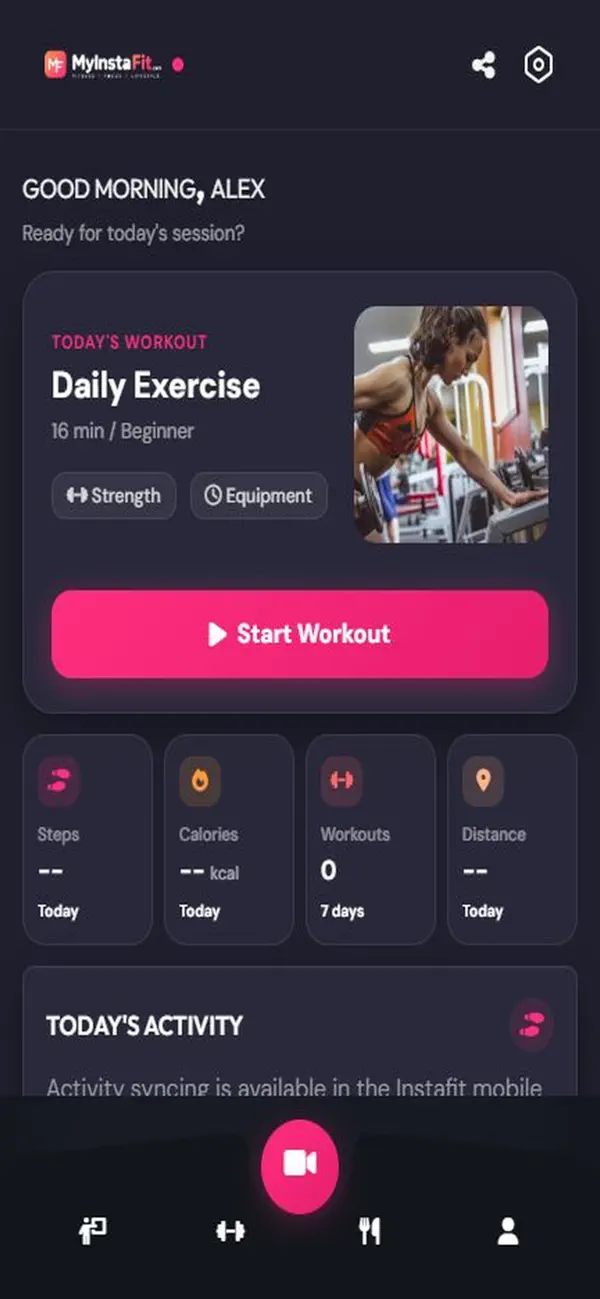
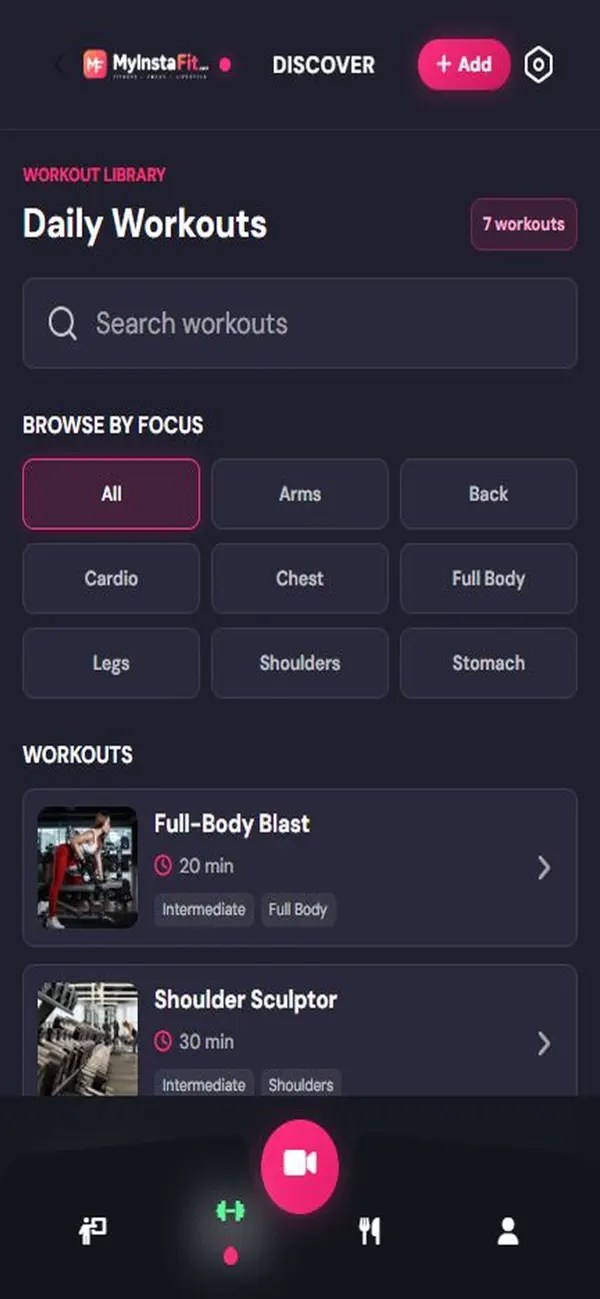
- Workouts. A searchable library with focus categories and exercise cards; members log sets, reps and weight, follow programs or build their own workouts.
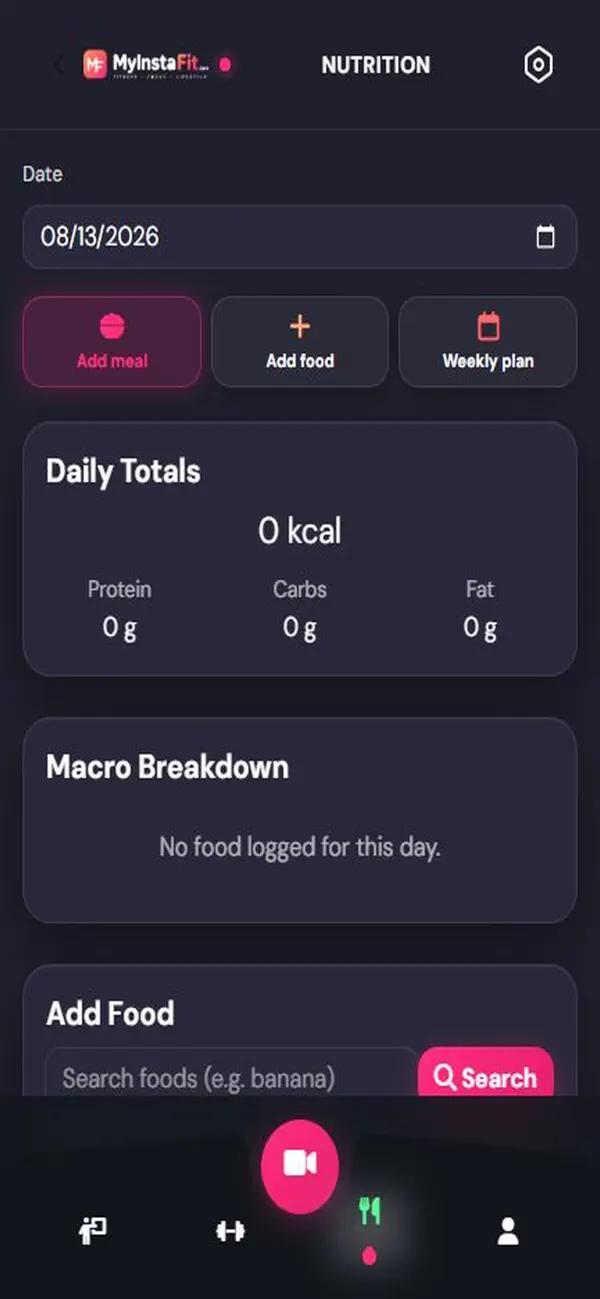
- Nutrition. Meal logging with calorie and macro tracking.
- Progress. Activity summaries, body measurements and progress photos in the same app.
- Coaching. Trainer-led workout and meal plans alongside self-directed training.
- Running. Live run tracking and planning.
- Both stores. Android and iOS releases from the same code.
Why one codebase with Capacitor
Capacitor packages one web-technology codebase as real iOS and Android apps, with device features such as the camera and location reached through plugins. For a product like this, that has three practical effects:
- Features land on both platforms together. A new workout type or nutrition screen ships to iPhone and Android in the same release.
- One team, one set of code to maintain. There is no second app to keep in step, which keeps build and running costs down.
- Room to grow. Web-technology screens can be shared with a web dashboard later, for example for trainers.
Native or Flutter would be the better call for graphics-heavy apps or products that lean hard on platform-specific features. I compare the options in cross-platform vs native apps.
The result
My InstaFit is live on both stores: Instafit on Google Play and My Insta Fit on the App Store. Members can train, log food, track progress and follow a trainer’s plan in one app, on whichever phone they use.
Planning a similar app?
A cross-platform app for iOS and Android starts at $12,000 with me and usually takes 8 to 14 weeks, plus app store review. To see what your own feature list adds up to, use the MVP cost calculator, read about my mobile app development service, or send me your idea. You can also book a 30-minute call.