Choosing a web design firm starts with understanding what your business website needs to do. This guide explains how to compare relevant work, technical decisions, communication and ongoing support, so you can choose a partner with a clear scope and a process you understand.
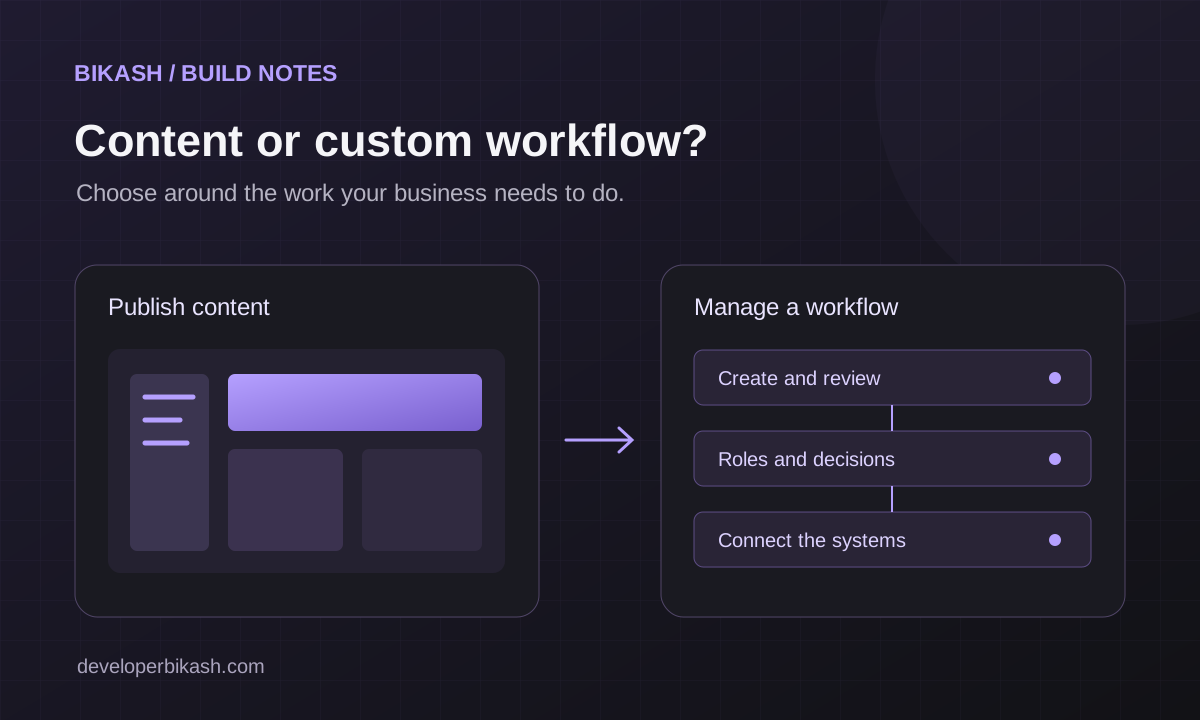
A useful business website helps visitors understand your offer and complete their next step. When comparing web design partners, ask how they will support those tasks and how success will be evaluated after launch.
What to Look for in a Web Design Partner
Expertise and Experience
Top web design firms have a team of experienced designers and developers who understand the latest trends and technologies. This expertise ensures that your website is equipped with the most current functionalities that enhance user experience. They know how to create a website that not only looks good but also functions seamlessly, balancing aesthetic appeal with practical usability. Their deep understanding of various industries allows them to adapt their skills to suit the specific needs of your business.
Custom Solutions
Every business is unique, and so are its web design needs. A professional web design agency will tailor their services to meet your specific requirements, ensuring that your website reflects your brand identity. They work closely with you to understand your vision, creating a bespoke design that aligns perfectly with your goals. From color schemes to layout preferences, a custom solution ensures your website stands out in a crowded digital landscape. Such personalized attention to detail fosters a strong connection between your brand and its audience.
SEO Optimization
Ask how the firm will make important pages discoverable: descriptive titles, crawlable links, readable content, a sensible URL structure and an agreed migration plan for an existing site. Technical SEO supports discovery, but a design agency cannot guarantee rankings or traffic.
Responsive Design
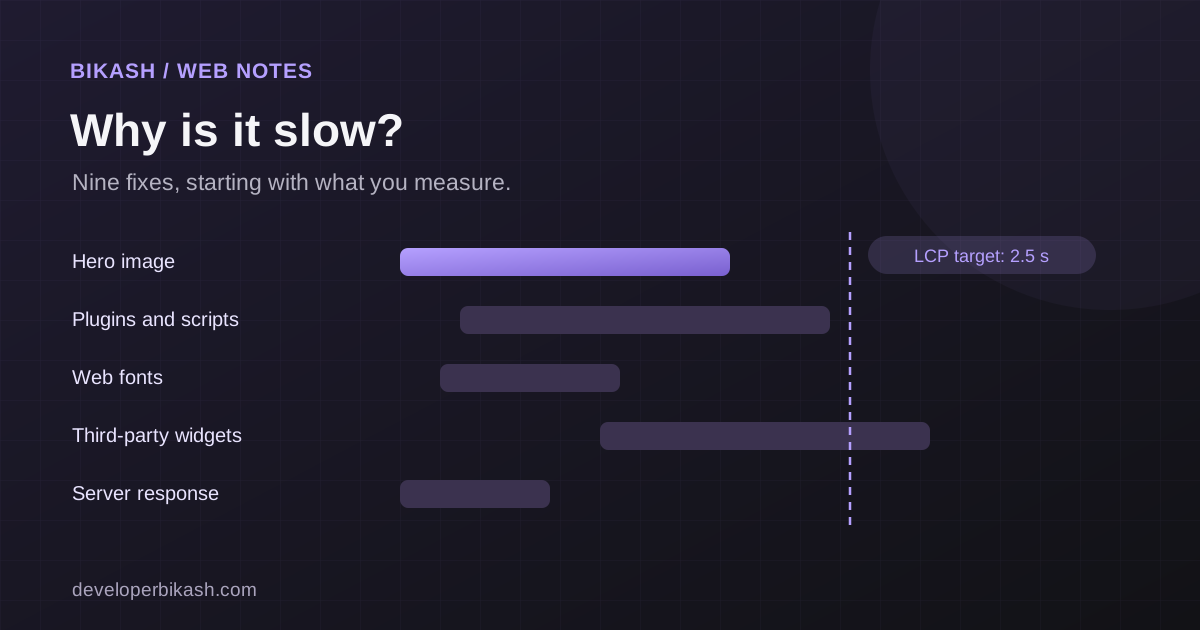
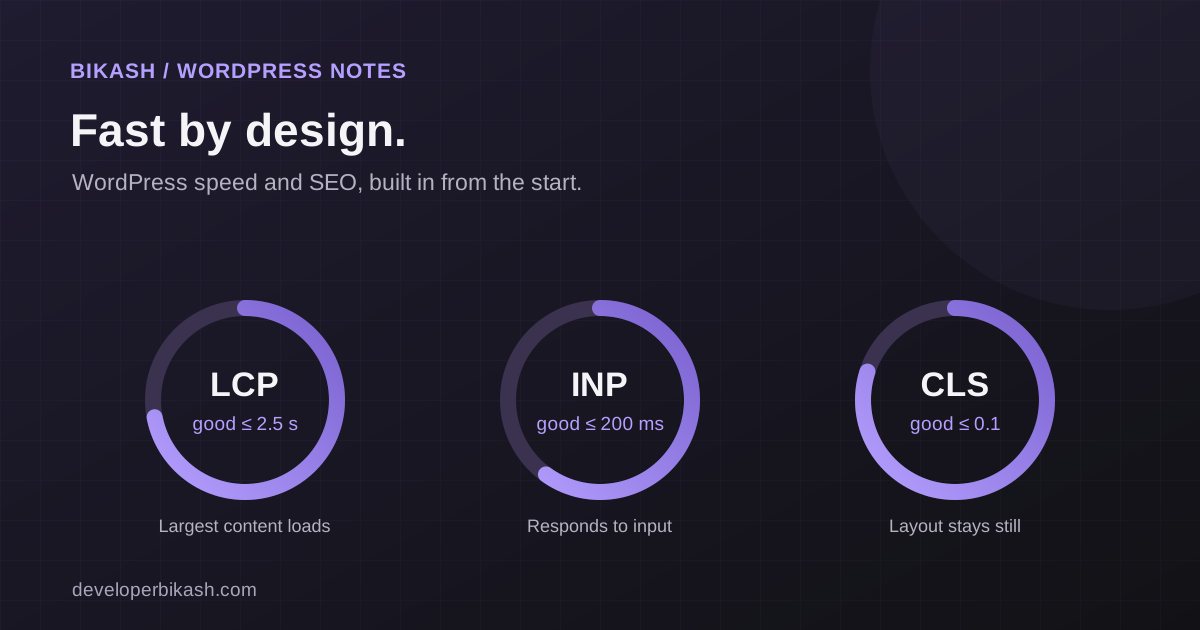
Review the proposed design at narrow and wide screen sizes, with a keyboard and with readable text settings. Ask the firm to test navigation, forms, image sizing and loading behavior across the devices your visitors use.
Identifying the Best Web Design Firms
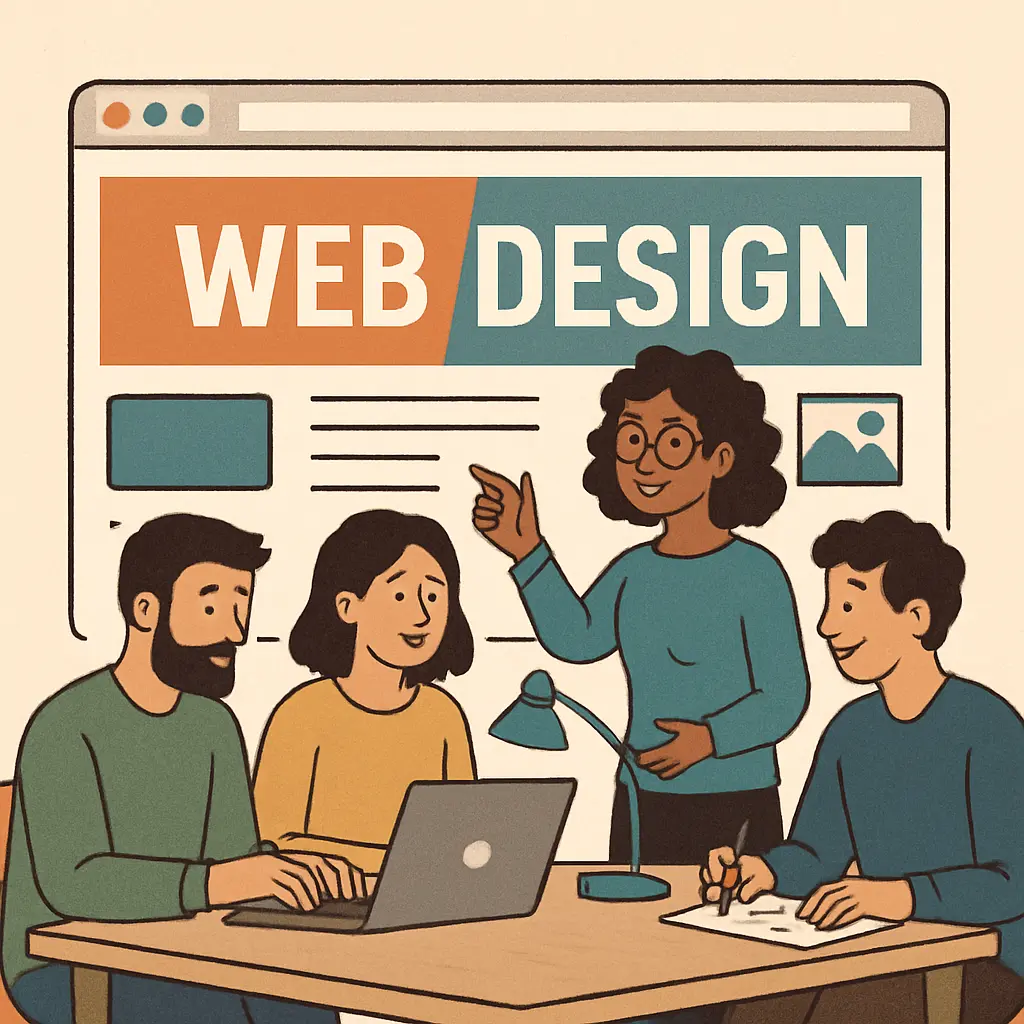 When looking for the best website design firms, it’s essential to consider several factors. These elements will help you make an informed decision that aligns with your business objectives. Here’s what you should keep in mind:
Portfolio and Experience
Examine the firm’s portfolio to see the range and quality of their previous work. A diverse portfolio with successful projects across different industries is a good indicator of versatility and expertise. Look for examples that demonstrate their ability to solve complex design challenges creatively. Pay attention to how they incorporate brand elements into their designs, ensuring that each project feels unique. Consider the longevity and impact of their designs, which speaks to their understanding of both current trends and timeless design principles.
Client Reviews and Testimonials
Client feedback provides valuable insights into a firm’s reliability and customer satisfaction. Look for reviews on third-party websites and testimonials on the company’s site to get an idea of their reputation. Consistent positive feedback is a good sign of a trustworthy company that delivers on its promises. Take note of any recurring themes in the reviews, such as excellent communication or quick turnaround times. Also, consider reaching out to past clients for firsthand accounts of their experiences with the firm.
Services Offered
Consider what services the web design agency offers. Do they provide comprehensive digital marketing and website development services, or do they specialize in specific areas like web branding services or web consulting? A full-service agency can offer a more integrated approach, combining design with marketing strategies to maximize impact. However, if you have specific needs, a specialized firm may offer deeper expertise in that area. Evaluate the range of services to ensure they align with your business needs and future growth plans.
Communication and Support
Effective communication is crucial for a successful collaboration. Choose a web design agency that values clear communication and offers reliable support throughout the project. This ensures that your vision is accurately translated into the final design. Look for agencies that use project management tools to keep you informed at every stage. Reliable support means they are available to address any issues or changes promptly, providing peace of mind that your website will remain functional and up-to-date.
Four Questions to Compare Your Shortlist
Use the same questions with each shortlisted firm. Ask for concrete examples, explain your constraints and compare the written scope before deciding.
Can they explain relevant work?
Ask the firm to show work with a similar audience or task. Have them explain their contribution, the problem they addressed, the trade-offs they made and what evidence they can share. A visually polished portfolio is a starting point; a clear explanation helps you assess fit.
How will they structure the experience?
Ask how they will organize content and help visitors complete the most important actions. Review an early sitemap or wireframe together, then agree how feedback and revisions will be handled before development begins.
What will be tested before launch?
Request an agreed review of mobile layouts, keyboard navigation, forms, links and loading behavior. Clarify who provides test content, who fixes issues and what must be accepted before the site goes live.
Who owns and maintains the finished site?
Clarify ownership of the domain, hosting, source files, design assets and accounts. Ask for a handover plan, editing instructions and the cost and scope of maintenance so routine updates remain manageable after launch.
What to Expect from a Web Design Agency
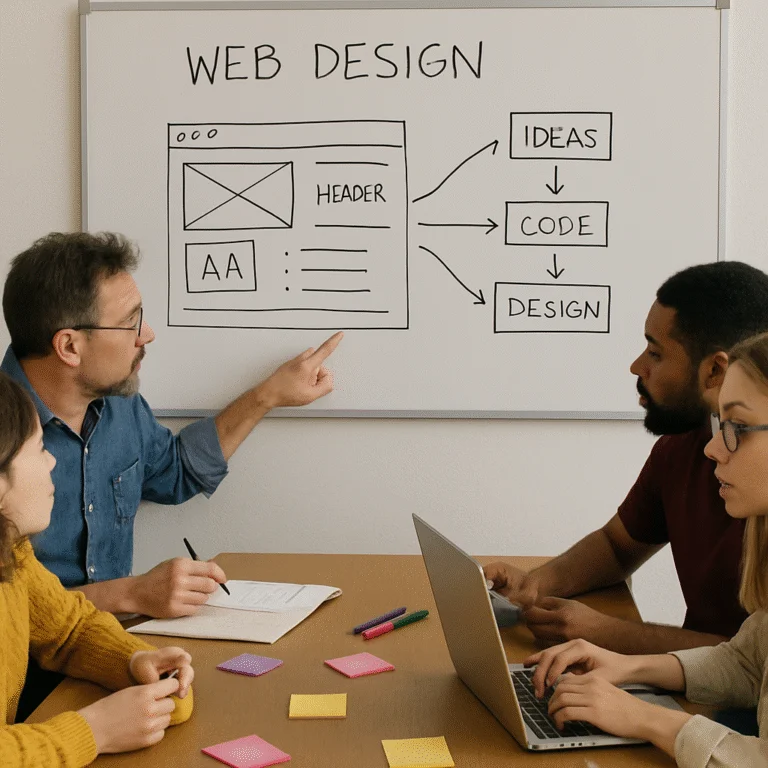
 by Kari Shea (https://unsplash.com/@karishea)
When you hire a web design agency, you can expect a comprehensive process that includes several key stages. This structured approach ensures that your website is developed efficiently and effectively.
Consultation
The process begins with a consultation to understand your business goals, target audience, and design preferences. This initial phase is crucial for setting the foundation of the project. The agency will gather information about your brand, competitors, and industry to inform their design strategy. They will also discuss timelines and budgets to ensure alignment with your expectations. This collaborative dialogue helps to establish a clear vision for the project.
Design and Development
Next, the agency will create a customized design that reflects your brand and start developing a functional website. They will present wireframes and mockups for your feedback, ensuring the design aligns with your vision. Once approved, they will proceed with the development phase, integrating the latest technologies to enhance performance. This stage involves rigorous testing to ensure all features work seamlessly across different devices and browsers. Regular updates keep you informed and involved throughout the process.
Testing and Launch
Before launching, the agency will conduct extensive testing to ensure the website works smoothly across all devices and browsers. This involves checking for any bugs, compatibility issues, or performance bottlenecks. They will also optimize the site for speed and SEO, ensuring it meets industry standards. Once testing is complete, they will coordinate the launch, making your website live to the public. This stage is carefully managed to minimize downtime and ensure a smooth transition.
Ongoing Support and Maintenance
Agree a maintenance plan before launch. It should identify responsibility for software updates, backups, troubleshooting and content changes, with clear response times and recurring costs. If analytics are included, agree which questions the reports should help you answer.
Conclusion
Choose a partner whose work, communication and proposed scope match your business needs. Compare the same evidence across your shortlist, confirm ownership and support in writing, and start with a clear definition of what the website should help visitors do.